Service · Crack evaluation & sealing
Foundation Crack Repair in Oklahoma
Cracks are the most common reason Oklahoma homeowners start looking into foundation work, and they're also the most misread. A crack is a record that something moved. It doesn't say how much, whether it's still moving, or whether the house is at risk.
This page covers what different crack types tend to indicate, and — just as important — the limits of what you can conclude from appearance.
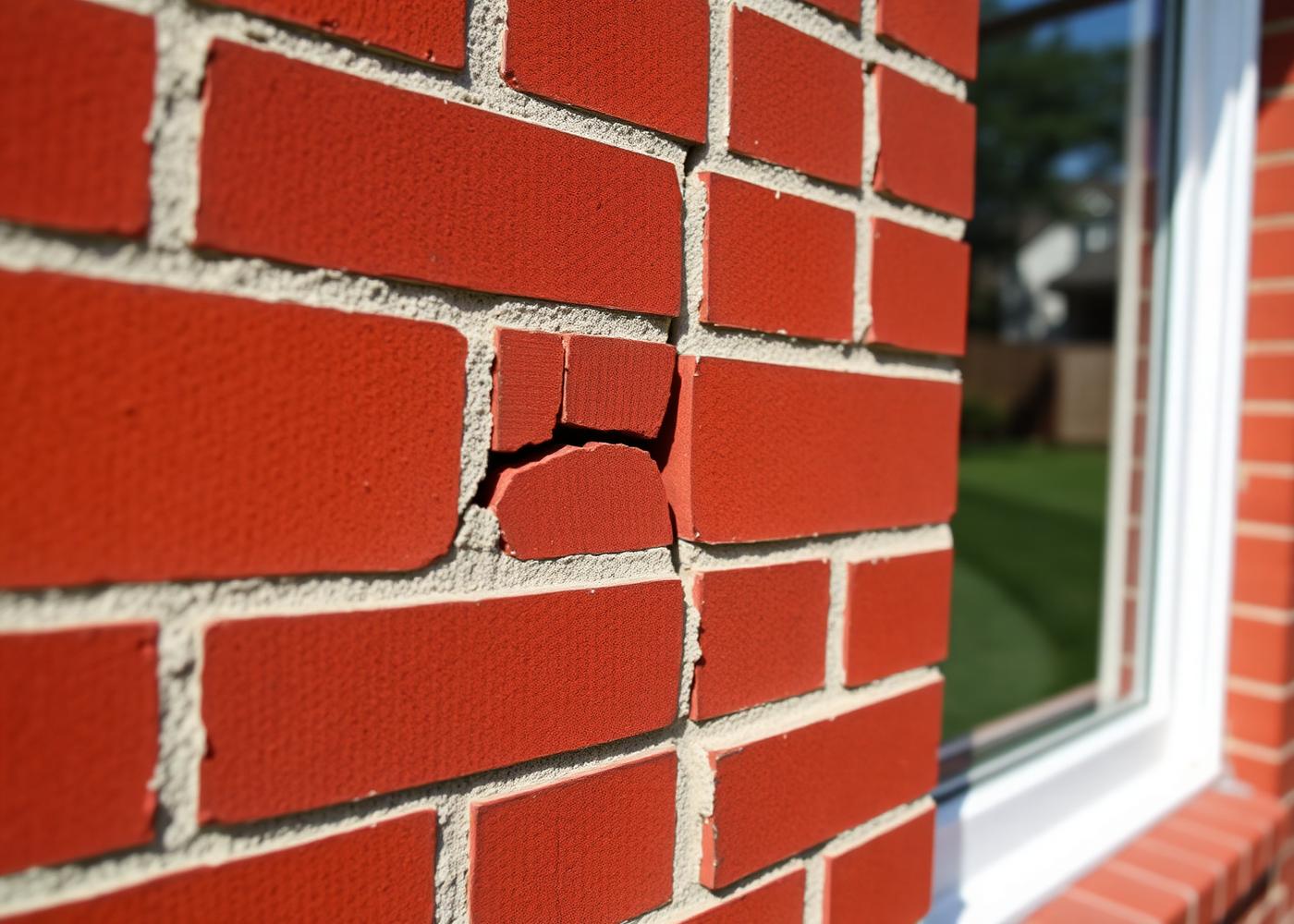
Crack taxonomy
What each pattern usually suggests
Read these as starting points for investigation, not verdicts. Any of them can appear on a house with no ongoing movement whatsoever.
Vertical cracks
Common in concrete and often related to curing shrinkage or minor settlement. Generally the least alarming category, especially when width is consistent top to bottom and there's no offset across the crack.
Horizontal cracks
In a wall holding back soil, a horizontal crack can indicate lateral pressure from saturated ground. This pattern is treated as significant and warrants professional evaluation rather than a tube of sealant.
Stair-step masonry cracks
Brick and block can't stretch, so differential movement below tears the wall along mortar joints in a staircase pattern. Usually the clearest visual evidence that one part of the foundation moved relative to another.
Diagonal drywall cracks
Typically radiate from the corners of door and window openings, where the frame concentrates racking stress. Very common in Oklahoma homes and frequently seasonal.
Slab cracks with offset
A crack where the two sides sit at different heights is more meaningful than a wide crack that's flush. Offset means vertical displacement, which means differential support.
Trim and joint separation
Baseboard pulling from drywall, caulk joints splitting at exterior corners, crown molding gapping at a ceiling. Movement showing up at the weakest connection rather than in the material itself.
Cosmetic damage and structural symptoms aren't the same thing
A crack in drywall is damage to drywall. Whether it signals a structural condition depends on what's underneath it. Sealing and painting produces a house that looks fine and tells you nothing about the foundation — which is fine if the movement has stopped and unhelpful if it hasn't.
We'd rather say this plainly: nobody should tell you your home is structurally unsafe based on a photograph of a crack. That determination requires measurements, and in serious cases a licensed engineer's assessment.
How cracks get evaluated properly
- Elevation readings across the floor to establish whether the structure is out of plane
- Crack width and length recorded, with the ends marked and dated
- Offset checked across the crack, not just width along it
- Exterior grade, gutters, and downspout discharge reviewed
- Plumbing leak testing where a water source is plausible
- Re-measurement after a seasonal change to establish whether it's active
That's the scope covered on the foundation inspection page. The symptom-by-symptom reference lives in signs of foundation problems.
Repair options once the picture is clear
- Epoxy injection — restores continuity in a stable concrete crack.
- Polyurethane injection — flexible, aimed at stopping water movement through the crack.
- Tuckpointing and masonry repair — rebuilding mortar joints and replacing damaged brick after movement stops.
- Sealant and flexible joints — appropriate where slight seasonal movement is expected to continue.
- Stabilization first — where the cause is active settlement, cracks get addressed after piers are installed, not before.
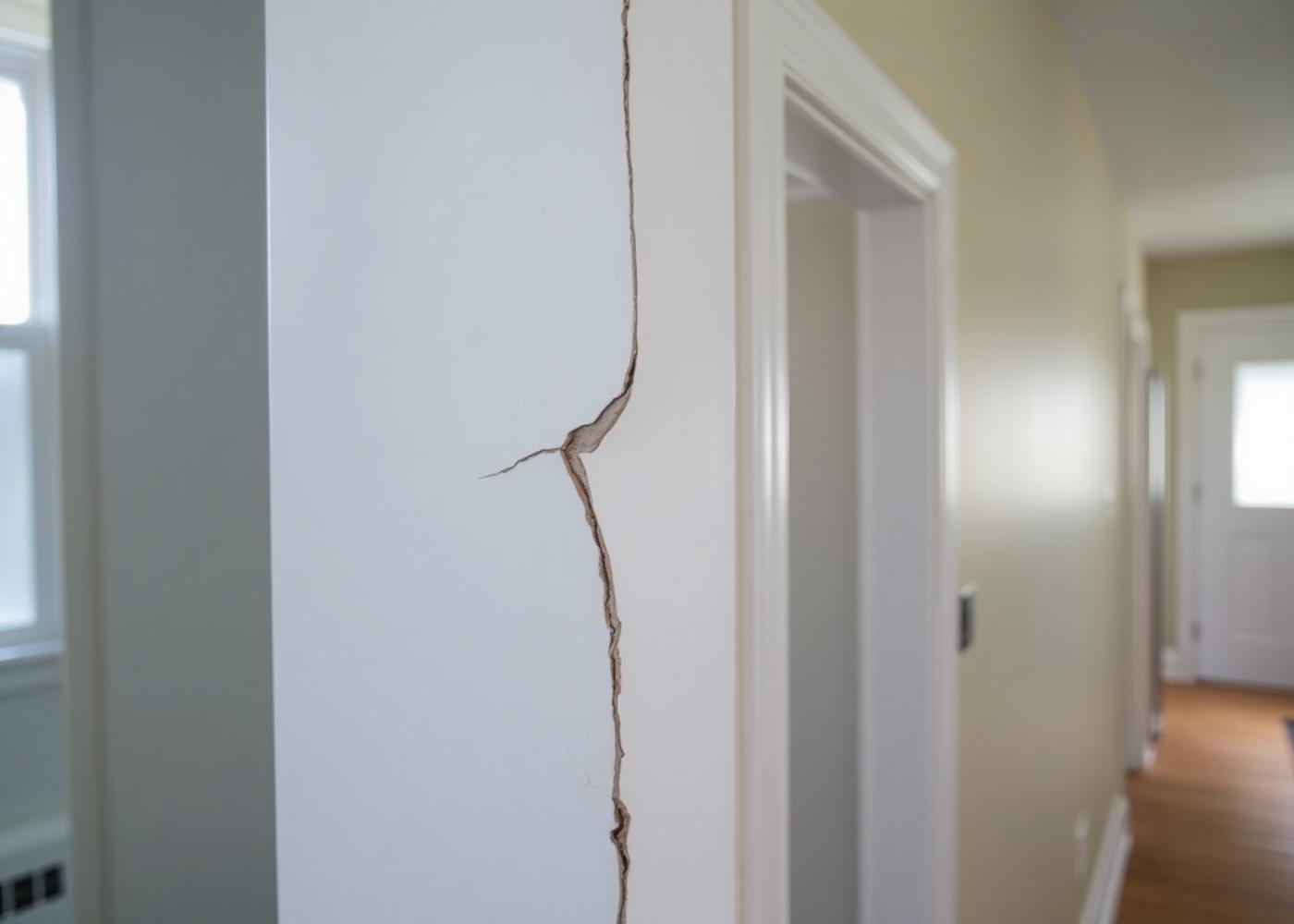
Two photos, four months apart
It's the cheapest diagnostic tool available, and it answers the only question that matters: is it growing?
Statewide
Have the crack evaluated, not just filled
Crack calls come from every city we cover, with Broken Arrow and Moore near the top of the list.
Foundation crack questions
Can I tell whether a crack is serious just by looking at it?
Not reliably, and neither can anyone else. Width, direction, and pattern are useful clues, but they don't establish whether the foundation has moved or is still moving. That takes elevation measurements and observation over time.
Should I fill the crack myself?
Sealing an exterior crack against water is reasonable maintenance. Just don't treat it as a repair — and note the crack's dimensions and date before you fill it, because you've now erased your ability to see whether it grew.
What's the difference between epoxy and polyurethane injection?
Epoxy cures rigid and can restore structural continuity in a stable crack. Polyurethane stays flexible and is oriented toward stopping water movement. The choice follows the goal, and both assume the crack isn't actively growing.
My crack goes horizontally across a wall. Is that worse?
Horizontal cracking in a wall retaining soil is treated seriously because it can indicate lateral pressure rather than settlement. It warrants professional evaluation rather than a sealant.
Do repaired cracks come back?
If the cause was addressed, usually not in the same form. If the underlying movement continues, a patched crack will reopen — often within a season or two. That's the practical test of whether the diagnosis was right.